Maternal Instincts
It’s Mother’s Day this weekend and we’ll honor our maternal figures with brunches, cards, flowers, and phone calls. But the other 364 days out of the year? Crickets.
Ok, maybe that’s harsh, but I guarantee that few kids will not remember the tantrums over wanting a popsicle, ice cream or French pastry at the farmers market until their children pull the same stunts and the grandparents fold their arms with an evil grin as if to say A-ha, revenge! and then go on to magically procure the item that immediately produces silence. A few times I’ve witnessed the tri-generational exchanges that include parental pushback in exasperation—“You know I don’t want them eating [insert forbidden item here such as chocolate, sugar, gluten, nonorganic].” To which the response is a reminder that they were fed much more worse—HFCS, artificially dyed foods, trans fats, and white bread and they turned out just fine. The kiddos with a chocolate slick from their chin to their knees are always with grandparents.
As a farmer who has raised livestock for forty years now, I can’t tell you how important maternal instincts are in the world of protein production, yet 99% of all livestock produced in the United States is done so in an industrial environment that cares little about good mothers. Even in sustainable and organic agriculture, we don’t want broody poultry because hens with maternal instincts quit laying eggs. We all know that would go over at the farmers market about as good as a screaming toddler.
Similarly, small-scale farmers want to take advantage of production genetics created through science and research yet find often find themselves with postpartum females that want nothing to do with the helpless infant at their feet despite her illustrious pedigree for production. Sows are confined to gestational crates to maximize their output because when stressed, sows will kill their offspring. Ruminants are notorious for infanticide when resources are scarce. And poultry never get to experience the aggressive protection of a mother hen gathering up her fluffy chicks under wing at the first sign of threat. To this day, I still can’t figure out why it’s called animal husbandry when the male factor only had one job in the entire process and today it’s getting to the point where even fewer males are needed, most never interacting with a genuine female. Today, 90% of all cattle are artificially inseminated. In pigs, it’s 97% and with commercial turkeys it’s 100%.
In my existential musing with customers when they venture into discussing the intersection of humanity and food production, after all I’ve witnessed I’m a firm believer that human behavior is congruent with both livestock and wildlife. We think ourselves so superior with our abstract thoughts, art, textiles, and opposable thumbs, but motherhood is motherhood, no matter what the species.
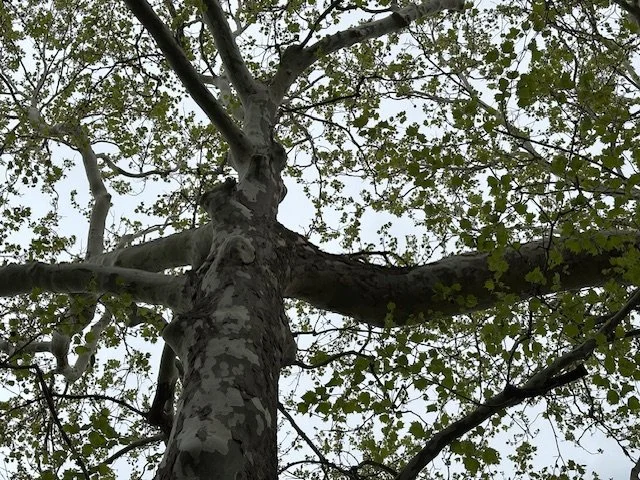
Even in the plant kingdom we have discovered mothers. The biggest trees in the forests are the matriarchs who communicate with other trees and plants using a mycorrhizal network that functions almost exactly like a human brain and nerve cells. These trees make far more sugar than they need and send extra energy out to others that are in need. In their aged decline, they share their carbon and chemical messages of wisdom with the generation of seedlings in the vicinity. Sounds exactly like a human mother, right?
At the same time, many of the fruits and vegetables used in commercial production are asexually produced using clones. Apples, grapes, potatoes, strawberries, bananas, sugar cane, and sweet potatoes are all propagated through cloning, especially anything seedless like navel oranges. If there’s not a seed, what is going to produce the next generation?
So I wonder, are humans breeding out the maternal instincts of the very aspects that make life on Earth possible? We know we’ve been losing our genetic varieties for generations. We know there has been a mass extinction on the planet at least five times, but somehow life manages to bounce back. Animal or vegetable, it doesn’t matter. What matters? Good mothers. So this Mother’s Day, don’t just thank your own, but take a good look around and be grateful for the biggest mother of all…Mother Earth.