Big Beef
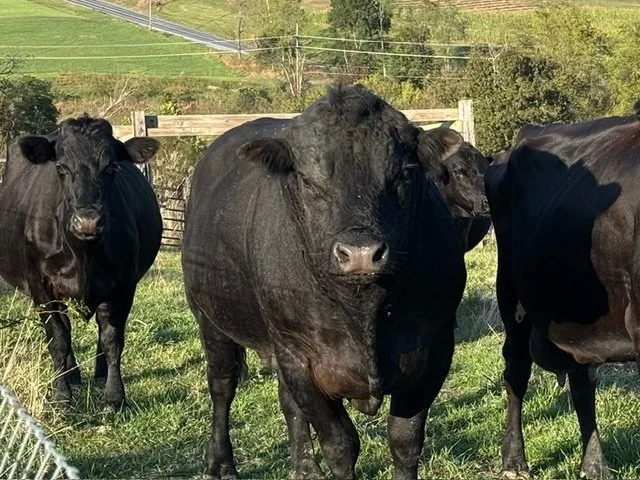
I’ve had a lot of questions the last few weeks about the price of beef and what I thought about the move to import more cattle into the United States to lower record high beef prices. First, I do not believe that increasing imports will lower the price, only make beef more available to commercial enterprises who are struggling with supplies due to the the smallest domestic beef supply in the last 75 years.
With consumers being so far removed from how their steak gets from the pasture to their plate, few understand the multiple layers and complex supply chain requires. That burger from a fast-food chain could contain multiple animals from several countries. When I did all of the USDA paperwork for a very small processing plant, I regularly battled with inspectors over what they considered incomplete forms. They would routinely stop all production until I filled out the form that listed all the countries and lot numbers for beef used in ground meat. I would explain to them that all of the ground meat labeled that day came from one farm or even one animal— single source— yet I was required to submit daily paperwork even though the page was always blank.
Shopping at a farmers market, whether it be for beef or any other locally produced agricultural product, offers more stability in availability and prices compared to industrial and imported products which are subject to the volatility of the commodity markets and now arbitrary tariffs. Grocery stores can quickly increase their prices simply by changing the numbers in their data sets that get pushed out to their stores every day, but direct marketers need to be able to look customers in the eye and tell them that our production costs have changed enough to warrant an increase. Inputs like electricity, fuel, labor, processing, marketing, and packaging are the drivers in price determination your farmers at the market, not shareholder returns.
Agricultural markets, especially cattle, are cyclical. My entry into the beef production began forty years ago when land prices were rising and beef had become demonized as the cause of heart disease, high cholesterol, and expanding waistlines. Beef fell out of favor on menus and in shopping carts. Ranchers didn’t see a future in farming for the next generation and gladly retired their operations, selling off dwindling herds and valuable property. My boss, Old Cowboy Jack, made me promise that if I wanted to continue toward my dream of someday having my own farm that I would not do so in the west where his prescience held true in ten years I wouldn’t be able to afford the water and in twenty years there wouldn’t be any.
This brings me to the next cycle—grass fed beef as opposed to feedlots relying on grain diets. The sustainable/regenerative agriculture movement coincided with new medical research data and growing health trends that began to drive the demand for beef. Meat was once again back in vogue and this time included more of the cow, such as bones for broth and fat for tallow, both items that previously would end up in the rendering buckets.
Unfortunately, the cycles of nature have not been kind to the beef industry. Mega-droughts in the west along with massive wildfires have left ranchers with more risk than ever before. Speaking of risk, that South American beef the current administration wants to import are coming from countries with active Foot & Mouth disease, a highly contagious virus in cloven-hoofed livestock. The last case in the U.S. was in 1929 and American producers want to keep it that way. It’s bad enough that the federally funded programs that kept New World Screwworms out of the country has been eliminated. That’s the next cycle that has the potential to raise beef prices and greatly reduce the availability of Certified Organic beef. They’re parasitic maggots that can eat an entire cow in two weeks. Preventing cattle deaths from infestations requires chemical pesticides and antibiotics.
Changing policies at the federal level such as leasing public lands traditionally used for cattle production to energy and mineral corporations will also reduce the national herd size. Maybe this, too, is all part of a grand cycle. Me? I like to err on the side of caution instead of consumerism by keeping my cows close and my customers closer.