
Cool Veggies
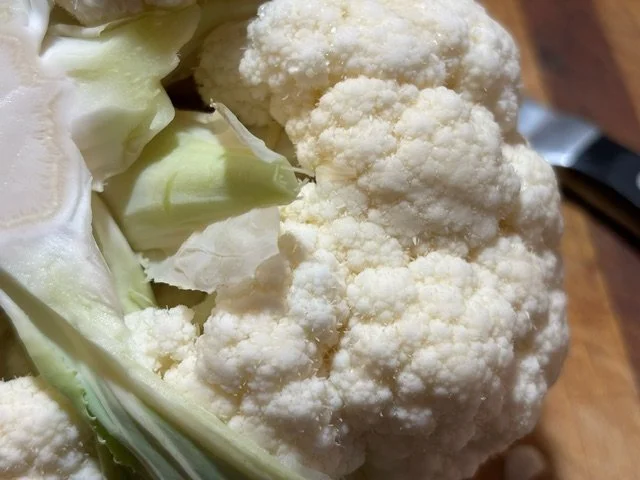
Autumn arrived last week and along with it many of the fall brassicas have made their debut at the market once again. Showing up with the cooler weather are collard greens, cauliflower, broccoli, cabbages, and brussels sprouts. My personal favorite are kalettes, but they have yet to arrive.
Customers often ask why these vegetables don’t grow in the summer. The answer is pretty much the opposite of why tomatoes, peppers, and cucumbers don’t grow in the spring and fall. Each type of vegetable grows in the weather indicative of their native climate.
Modern agricultural practices have artificially created growing environments through the use of greenhouses and high tunnels. With global seed distribution, more people have availability to non-native produce much of which we have come to think of as native.
While farmers can increase the temperatures to allow for out of season production, the one thing that is not artificially induced is vernalization. Many of the brassicas require exposure to temperatures below 50° in order to properly mature, especially those that create heads. If the weather is too hot, the plants will bolt, meaning the plant will flower and produce seeds earlier than is desired. Bolting can also occur when plants are stressed by pests. Although many people consider bolting plants to be undesirable it is part of the natural process. Cooler temperatures are what slow the process, allowing for vegetables to be harvested prior to producing seed.
Brassicas are native to the Mediterranean where they originated as biennial plants needing cooler months in order to flower. The plants are able to grow a healthy biomass prior to cooler temperatures signaling the heads or bulbous roots, in the case of kohlrabi and turnips, to mature.
While many of the brassicas can be consumed raw, their natural sugars are enhanced by cooking, especially roasting. One of my favorite recipes and an effortless way to cook cauliflower is to dip the entire head in a mixture of yogurt, spices, and a little olive oil mixed, and then set the whole thing in the oven at 400° until it becomes soft and golden. If your jam is grilling, try cabbage cooked over an open fire. Just slice ahead into 1-inch slabs, lay over hot coals, and brush with butter or oil. This time of year, I’m addicted to grilled cabbage brushed with toasted sesame oil and tamari sprinkled with sesame seeds.
Despite the governments attempts at making us healthy again, your farmers have been doing so nonstop. Cruciferous vegetables hit all the check boxes when it comes to being good for you. They promote gut health, are natural anti-inflammatories, are high in protein and low in fiber, and have a variety of bio-available vitamins, and minerals. Although sources site flatulence as a downside of brassicas consumption, this was how my parents got their children to eat brussels sprouts and cabbage. No kid is going to pass up a winning edge to a pull-my-finger contest.