
Multiple Varieties
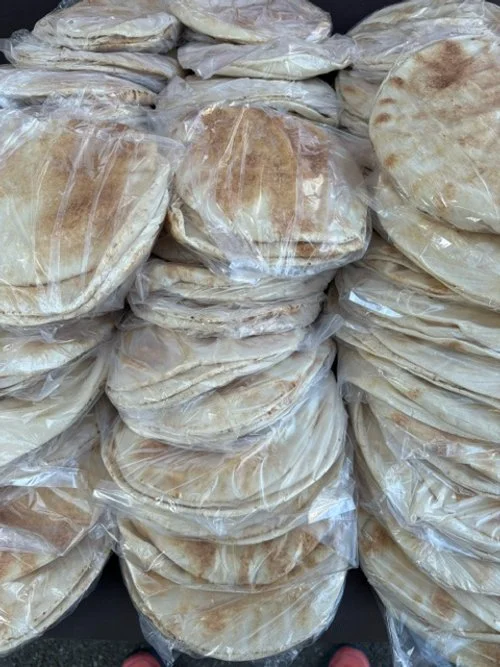
What makes a good farmers market these days? There is a mix of factors that goes into building and growing a successful weekly local foods market. It could be the logistic access along with ample parking or near the metro. Or it could be the lure of organic and sustainably raised products. Customers often site the social aspect of quick visits or casual coffee with friends and neighbors. Vendors will tell you it’s the family-like relationships that develop as the years roll by. There are also more nuanced aspects that draw dedicated patrons week after week. It’s what I like to refer to as the variety of the same thing.
A surefire way to limit the growth of a market is to only have a single vendor of a weekly staple. As a market grows in popularity, that single item sells out early regularly and then customers will quit coming because the chances of them acquiring said item diminishes. But a market with multiple vendors of similar items allow for even more specialization and choice.
Take the pita, the simple flatbread which civilizations throughout the Mediterranean and Middle East have been consuming for 6000 years. The word “pita” is derived from the Greek word for “flat bread,” but versions of this bread have existed throughout the world under various names. Pita is simply made with flour, water, salt, and yeast. It is used to scoop up stews, wrap meats and vegetables, or serve as a plate for dips like hummus and baba ghanoush, often also sold by the same vendors selling pita.
Pita is often equated with having a pocket, but not all pita breads neatly split like an envelope. Some puff up and others stay flat. Depending on the region your pita dealer hails from, it could be papery thin or thick and chewy.
Pocket style pita is baked in a hot oven. The high temperature turns the interior moisture into steam which puffs up the outer walls of the bread leaving a void. Solid pita is cooked on a hot surface such as a griddle or stone.
Other flat breads found throughout the markets include focaccia (Italy), chapati (India), naan (Asia), and injera (Africa).
Pita is one of the many styles of bread products customers will find. Multiple types of pastries are also a huge draw. Limiting the market to one or two vendors would diminish the allure that keeps customers returning each week. Over the last month I’ve encountered several new area residents moving in from out of state and they are in awe of the varieties of locally produced food and drinks, many of which they’ve not previously encountered.
“What’s with all the pitas?” one of the new customers asked.
I called it bread for the busy. Stuff & go to eat on the run, turn into chips and dips for girl dinners, or shovel up food instead of dirtying a utensil. No forks needed. I suggested trying a different style each week until they find what they prefer because at a market like ours, variety is more than the spice of life…it’s what’s for dinner.