
Salsa Season
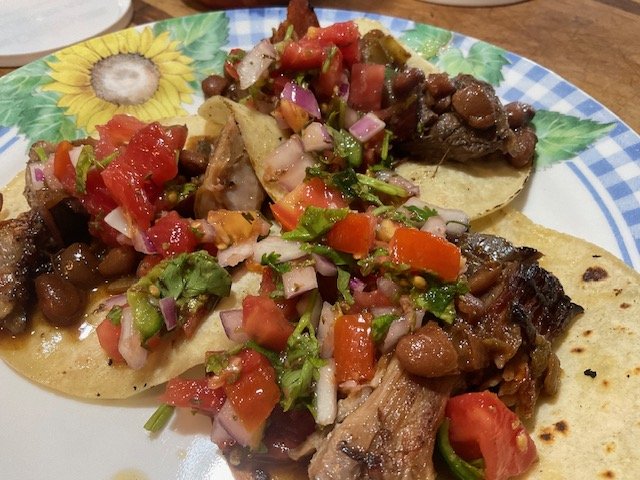
You can’t walk through the market these days without thinking about all the different styles of salsa you could make from the assortment of fresh ingredients currently in season. From now until November there will be a quart of salsa conjured from what I take home each week. It will top my eggs, grace my tacos, perch upon nachos, or I’ll simply dip my chips right into the container, my version of drinking out of the milk carton.
Salsa has been a culinary staple dating back to pre-Columbian Mesoamerican cultures, specifically with the Incas, Aztecs, and Mayans beginning with chilies, tomatoes, and squash. Only after the invasion of the Spanish were onions, garlic, and cilantro added to the mix in what we know today as traditional salsa.
But saying salsa is like saying pasta or cheese or bread. It’s a catch-all term for an assortment of regional sauces used in a variety of methods. The easiest style of salsa to make is salsa fresca, or pico de gallo which is made with juicy, ripe tomatoes, onions, jalapeños, cilantro, and lime. I like to drain mine in a colander so it’s not too soppy. The drained juice makes an excellent Bloody Mary mix or add it to cooking rice to bump up the flavor.
I have tried to reproduce salsa roja for years but can’t quite perfect the blend of a smooth tomato base with onions, and fresh chiles. Variations include salsa roja asada where the ingredients are charred over an open fire before blending and salsa Mexicana which is cooked more like a thick sauce. This salsa is what one finds at an authentic Mexican restaurant where you’ll go through dipping two baskets of chips before your meal arrives and then you’ll ask for more.
Fresh tomatillos have arrived at the market which means salsa verde. A member of the Solanaceae family, tomatillos are small, green tomato-like fruits about the size of a ping pong ball and encased in a husk. While they can be eaten raw, for a traditional salsa verde they are either roasted or stewed before blending with serrano or jalapeño chiles, onion, garlic, and fresh cilantro. Salsa ranchera is the red version made with tomatoes. Because these are cooked salsas, they work best for canning. I’ve found that the easiest way to roast tomatillos and tomatoes is on skewers, so they don’t roll around. These versatile sauces are often used for enchiladas but go great drizzled over roasted meats, on tacos, you name it.
Not all salsa is Mexican in origin. Salsa criolla is a condiment made with red onion and habanero chiles pickled in lime juice, olive oil, and salt. It is a staple in Peruvian and Puerto Rican cuisines. Similarly, salsa bruja consists of pickled chiles, onion, garlic, and other vegetable such as carrots or nopales (cactus).
Traditional Mexican salsa is made using a molcajete which is a stone mortar and pestle, but a sharp knife or a food processor works, too. However, there won’t be that crushed texture that screams made-by-hand. And if you don’t have time to whip up your own, there are several vendors at the market who make an assortment delicious salsa.